Today’s workforce includes more generations working together than ever before. In many organizations, early-career employees, mid-career parents, and late-career professionals all rely on the same benefits program despite having very different priorities, pressures, and expectations.
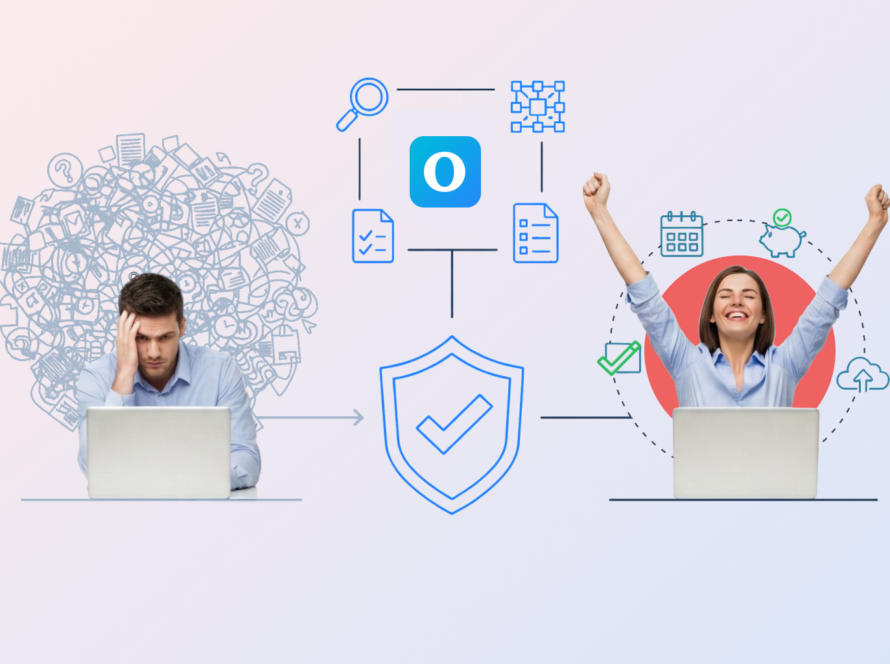
Yet most employee benefits strategies haven’t evolved to match this reality. Traditional, one-size-fits-all benefits plans were designed for a more uniform workforce, leaving many employees confused, disengaged, or unaware of what’s actually available to them. At the same time, HR teams are left managing constant questions and underutilized programs.
AI-powered benefits personalization is reshaping this experience. By aligning benefits with age, life stage, and lifestyle, AI helps companies deliver benefits that feel relevant, timely, and genuinely supportive, creating better outcomes for employees and stronger ROI for employers.
TLDR- AI Benefits for a Multigenerational Workforce
AI-powered employee benefits help organizations support a multigenerational workforce by personalizing benefits communication based on life stage, age, and lifestyle needs. This improves benefits engagement, increases utilization, reduces HR workload, and delivers measurable ROI.
Diverse Needs Across Generations
A multigenerational workforce brings valuable diversity, but benefits only work when they reflect where employees are in their lives.
Younger Employees (Gen Z & Early Millennials)
Younger employees typically prioritize:
- Mental health and wellness benefits
- Preventive care and wellbeing programs
- Student loan assistance and financial literacy
- Flexibility and digital-first access to benefits
They expect benefits to be intuitive, easy to understand, and accessible on demand.
Mid-Career Employees (Late Millennials & Gen X)
Mid-career employees often focus on:
- Family health benefits and dependent coverage
- Childcare and caregiving support
- Education and upskilling benefits
- Financial wellness and planning
At this stage, benefits directly affect daily life and long-term stability.
Senior & Older Employees
Later-career employees tend to prioritize:
- Retirement planning benefits and 401(k) guidance
- Prescription and ongoing healthcare support
- Long-term care and life insurance
- Clear, detailed benefits explanations
Accuracy, trust, and clarity are critical for this group.
Why a “One-Size-Fits-All Benefits Plan” Fails
Traditional benefits models assume fairness comes from offering the same benefits to everyone. In practice, this leads to inefficiencies and dissatisfaction.
Common challenges include:
- Over-insurance for some employees and coverage gaps for others
- Low employee benefits utilization
- Frustration across generations
- Perceived inequity and confusion
When benefits are not aligned with employee life stages, organizations overspend while employees remain disengaged.
How AI Enables Adaptive, Personalized Benefits per Segment
AI-driven benefits platforms transform benefits from static programs into dynamic, personalized experiences.
Instead of HR manually managing segmentation and communication, AI uses contextual signals such as age group, life stage, and engagement behavior to surface the most relevant benefits automatically.
What Is AI-Powered Benefits Personalization?
AI-powered benefits personalization is the use of artificial intelligence to deliver relevant benefits information based on an employee’s life stage, role, and preferences securely and at scale without increasing HR administrative burden.
Platforms like OneBenefits use AI to:
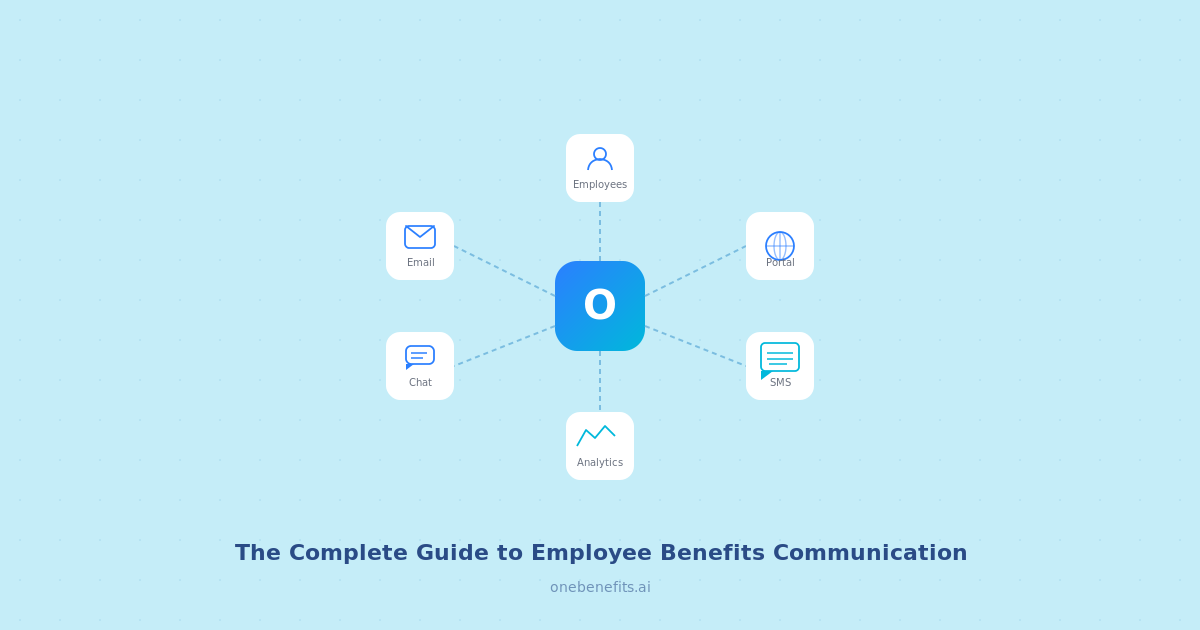
- Personalize benefits communication
- Automate repetitive HR questions
- Improve benefits ROI
- Support multigenerational employee engagement
Dynamic Benefit Dashboards
AI enables:
- Wellness and mental health resources prioritized for younger employees
- Family and education benefits highlighted for mid-career employees
- Retirement and healthcare planning tools surfaced for senior employees
Benefits That Evolve as Life Changes
As employees experience major life events, such as marriage, parenthood, caregiving, or retirement planning, AI-powered benefits communication adapts automatically. Benefits remain relevant throughout the employee lifecycle, not just during open enrollment.
Personalized Benefits Lead to Happier Workforce, Better Retention, and Optimized Spend
When benefits are personalized and proactively communicated, outcomes improve across the organization.
For Employees
- Higher satisfaction with personalized employee benefits
- Reduced confusion and stress
- Easier access to relevant resources
For Employers
- Improved benefits utilization and ROI
- Smarter allocation of benefits spend
- Reduced HR administrative workload
- Stronger retention across generations
AI-driven benefits also strengthen employer branding by signaling flexibility and employee-centric values.
Conclusion
A multigenerational workforce cannot be supported with outdated, one-size-fits-all benefits models.
AI-powered employee benefits platforms enable organizations to deliver dynamic, personalized benefits experiences that evolve as employees’ lives change without overwhelming HR teams.
By aligning benefits with age, life stage, and lifestyle, companies create happier employees, stronger retention, and better returns on their benefits investment.
Frequently Asked Questions
How does AI support a multigenerational workforce?
AI supports a multigenerational workforce by tailoring benefits communication and recommendations to different age groups and life stages.
Why do traditional benefits programs fail?
Traditional benefits programs are static and generic, leading to low utilization, confusion, and wasted benefits spend.
What benefits can AI personalize?
AI can personalize health insurance, mental health, wellness, financial planning, retirement, education, and life-event benefits.
Does AI replace HR teams?
No. AI supports HR by automating repetitive communication so teams can focus on strategy and employee experience.
Is AI-driven benefits communication secure?
Yes. Enterprise platforms use secure environments and do not share employee data with public AI models.
Can AI adapt benefits as employees age?
Yes. AI dynamically adjusts recommendations as employees experience career and life changes.